img

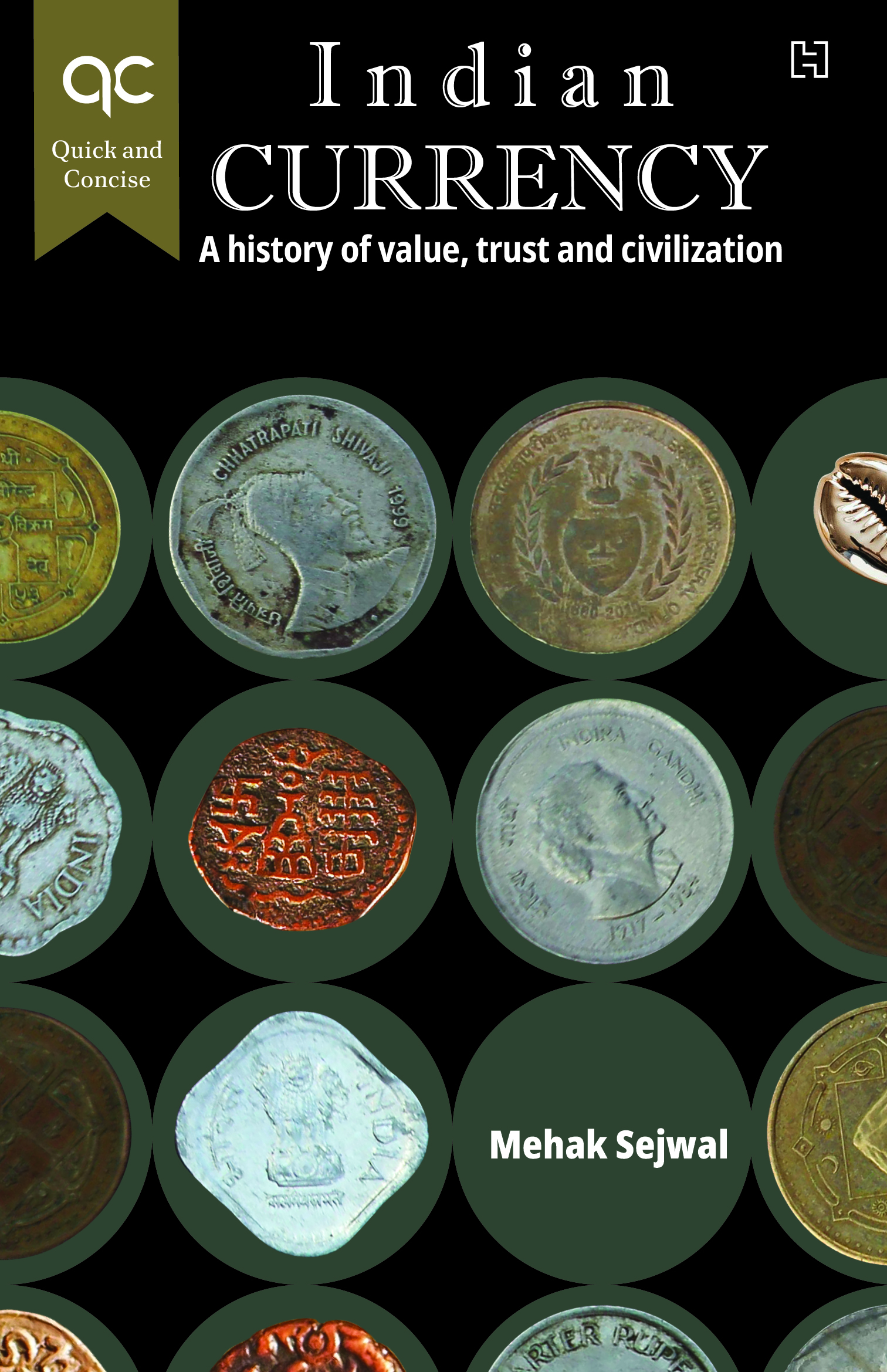
QC Indian Currency: A history of value, trust and civilization

Mehak Sejwal

Did You Know?


  • In Latin, the word pecus means ‘cattle’, and from it was derived pecunia, meaning ‘money’ or ‘wealth’. The term later gave birth to pecuniary.
  • Akbar introduced poetry into his coins.
  • During the East India Company days, money accepted in one presidency could require conversion in another.

Money makes the world go round, but how has money travelled this far? Explore with this primer the rich and layered history of Indian money from the early barter system to the digital age of UPI and cryptocurrency.

Read about unique mediums of exchange, such as the gaupucch (yes, you guessed it right, a cow’s tail!) and cowries. Learn about punch-marked and Indo-Greek coins, Gupta-age innovations, regional, sultanate and colonial currency systems, decimalization, demonetization and so on. This book drills down into how money reflects authority, trade, belief and innovation as a dynamic mirror of India’s identity – from pre-coinage days to the digital wallets of today.

This latest volume of the Quick and Concise series offers a multidisciplinary narrative of coinage, drawing on historical, economic, artistic, religious, cultural and technological perspectives.

  • Classification : Reference
  • Pub Date : OCT 22, 2026
  • Imprint : Hachette India
  • Page Extent : 208
  • Binding : PB
  • ISBN : 9789357316002
  • Price : INR 499
image

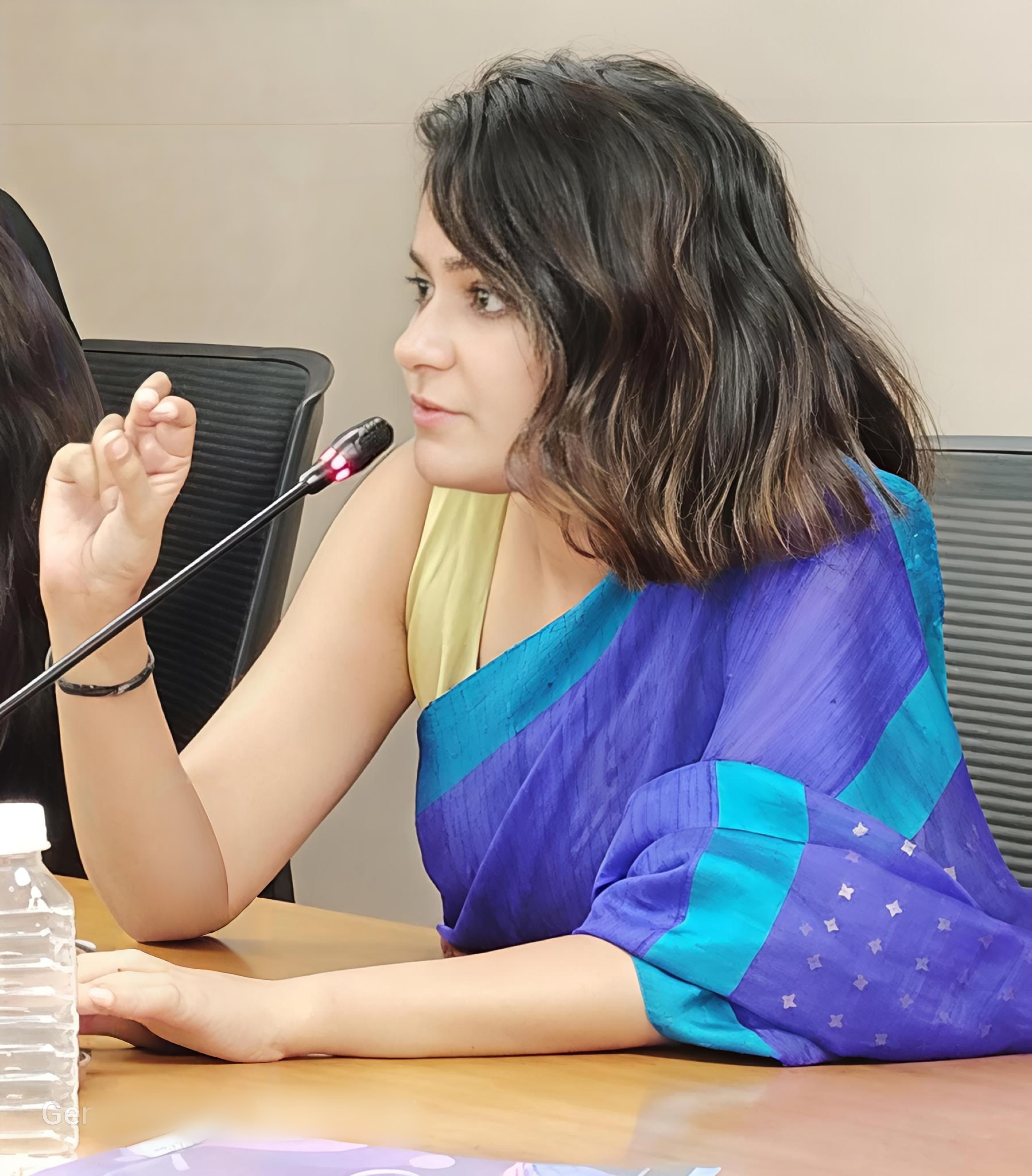
Mehak Sejwal

Mehak Sejwal is an assistant professor in the Department of Palaeography, Epigraphy & Numismatics at the Indian Institute of Heritage. She holds a master’s degree in history of art from the National Museum Institute, New Delhi, and is currently pursuing her PhD in digital humanities at the Indian Institute of Technology (IIT) Jodhpur.

Working at the intersection of history and technology, her research spans Indian numismatics, epigraphy, palaeography, history of art and digital heritage. She is particularly interested in exploring how emerging technologies can deepen the documentation, interpretation, storytelling and public engagement of India's cultural heritage while remaining grounded in rigorous historical scholarship.

Over the years, she has collaborated with museums, academic institutions, government bodies, and industry partners, including the National Museum Institute, the National Gallery of Modern Art (NGMA), the Ministry of Art, Culture and Languages, Government of Delhi, the Jodhpur City Knowledge and Innovation Foundation, IIT Jodhpur and Vizara Technologies. Her work has contributed to projects ranging from grassroots heritage initiatives to national programmes and international collaborations.

To search by Publisher, Imprint, Category and Subject, please use Advanced Search